
The Allure of Gambling: Understanding the Draw
The allure of gambling, particularly within a casino setting, is an intriguing phenomenon deeply rooted in human psychology. Many individuals are drawn to the thrill of uncertainty and the potential for instant rewards. The vibrant atmosphere, characterized by flashing lights, the sounds of spinning slots, and the buzz of excited conversations, creates an environment charged with anticipation, compelling patrons to engage in games of chance. This sensory stimulation heightens emotional responses, making the experience more immersive and pleasurable. Furthermore, players often seek out platforms that offer features like online casino fast withdrawal uk to enhance their gaming experience. The prospect of winning big can evoke feelings of euphoria, which keeps players returning for more, often ignoring the inherent risks involved.
The concept of “near misses” also plays a significant role in sustaining interest among gamblers. For instance, if a player is just one symbol short of hitting a jackpot, it can lead to a sense of excitement and hope, prompting them to continue playing in the hopes of finally securing that elusive win. This psychological hook creates a cycle where players chase losses and spend extended time at the tables. The belief that one more try might lead to a significant payout can be intoxicating, cultivating a gambling mindset that thrives on optimism, potential success, and an almost addictive anticipation.
Moreover, various studies have shown how the brain reacts to gambling stimuli in ways similar to other forms of addiction. The release of dopamine during gambling activities fosters pleasure and reinforces the desire to gamble again. This chemical response creates a potent feedback loop, driving individuals to seek repeated experiences in casinos, even when faced with potential losses. Understanding this psychological aspect is crucial to grasp why many individuals find themselves unable to resist the allure of the casino, often leading to compulsive behaviors and gambling addiction.
The Role of Cognitive Biases in Gambling
Cognitive biases significantly influence how gamblers perceive their chances of winning, often distorting their decision-making processes. One prevalent bias is the illusion of control, where players believe they can influence the outcome of games through their skill or strategy. This misconception is particularly common in games like poker, where a player may think their decisions can guarantee success, thus ignoring the random nature of the outcomes. Such biases can lead to overconfidence, prompting individuals to gamble more frequently and with larger stakes, often resulting in unexpected financial losses.
Another critical bias is the gambler’s fallacy, which occurs when individuals assume that past outcomes will affect future results. For instance, if a specific number hasn’t been drawn in a while, some gamblers may believe it’s “due” to appear soon. This erroneous thinking can lead to poor decision-making and increased betting, as players chase perceived probabilities rather than relying on actual odds. Such misunderstandings of randomness contribute to the psychological complexity of gambling behavior, making it challenging for individuals to recognize when they are acting irrationally.
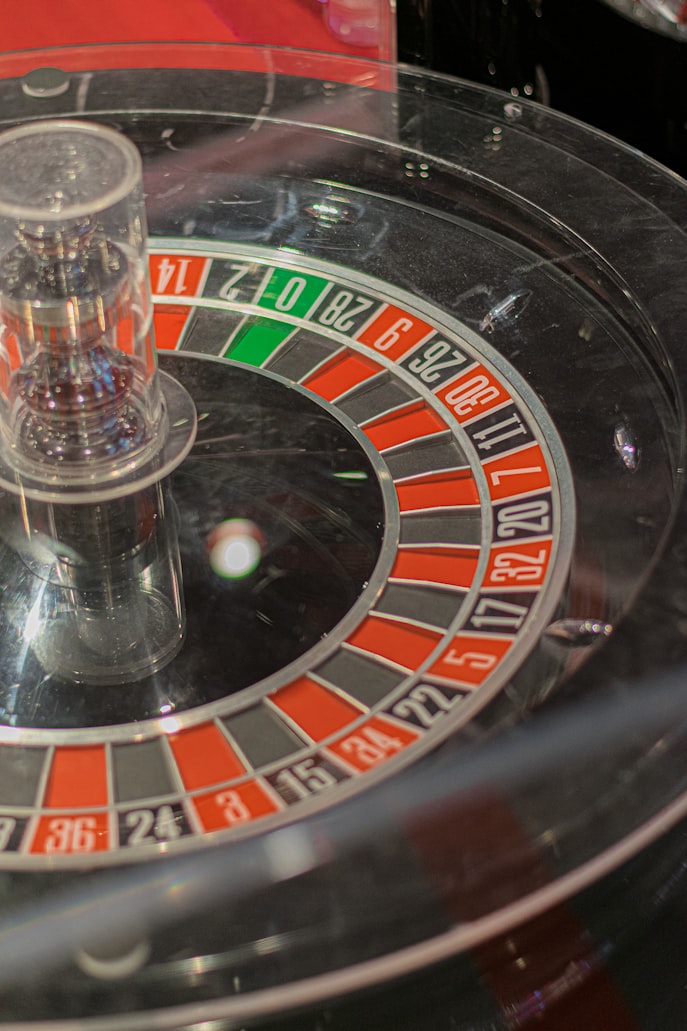
Furthermore, the framing effect can impact gambling decisions significantly. The way a betting opportunity is presented can alter a player’s willingness to engage. If a gamble is framed as a chance to win a substantial sum instead of a risk of losing a smaller amount, it may attract more participants. Understanding these cognitive biases highlights the psychological traps many gamblers fall into, showcasing how the mind can misinterpret situations and lead to behaviors that do not align with rational decision-making. By recognizing these biases, individuals can better navigate their gambling experiences and make more informed choices.
The Emotional Rollercoaster of Casino Gambling
The emotional landscape of casino gambling is multifaceted, often resembling a rollercoaster ride with extreme highs and lows. The excitement associated with winning can induce a rush of adrenaline, producing feelings of happiness and satisfaction. Conversely, losing can lead to frustration and disappointment, creating a stark emotional contrast that players must navigate. This emotional volatility is a significant part of the gambling experience, influencing players’ decisions and behaviors as they seek to recapture that initial high, often leading them deeper into the gambling cycle.
As gamblers experience wins and losses, their emotional responses can lead to an urge to recover losses, a phenomenon known as “loss chasing.” This occurs when players believe that a potential win is just around the corner, prompting them to take greater risks. Such emotional insistence often results in increased betting as players attempt to turn their luck around. The temporary relief from a win further fuels this cycle, maintaining an emotional tug-of-war that makes exiting the gambling environment challenging. This cycle can create a dangerous pattern where players become trapped in their quest for emotional highs through gambling.
Moreover, the social aspects of gambling significantly enhance the emotional experience within casinos. Shared excitement among players, collective celebrations during wins, or even communal groans during losses contribute to a vibrant atmosphere that heightens the emotional stakes. Social interactions can reinforce gambling behaviors, as individuals may feel influenced by the reactions of those around them. This emotional interdependence adds another layer to the psychological elements that keep individuals engaged in gambling activities, illustrating how casinos are not just places of chance but also hubs of social interaction and emotional connection.
The Impact of Environment on Gambling Behavior
The design and ambiance of a casino are meticulously crafted to influence behavior and prolong the gambling experience. Elements such as bright lights, engaging sounds, and a lack of clocks contribute to an environment that encourages players to lose track of time and immerse themselves in the gaming experience. This carefully curated atmosphere plays a significant role in how individuals engage with gambling, optimizing the chances for extended play and increased spending. The sensory overload can create a state of euphoria, making it difficult for players to leave or recognize the passage of time.
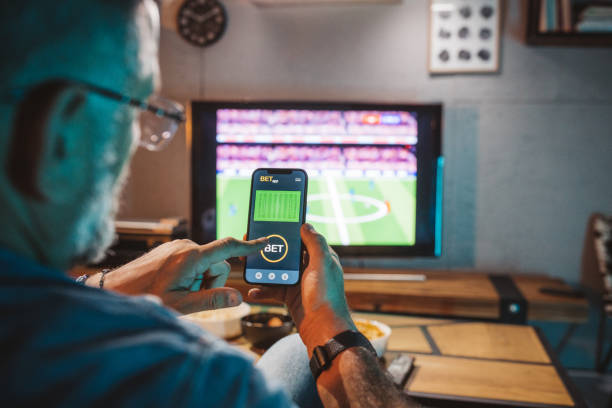
Additionally, many casinos employ strategies such as complimentary drinks and rewards programs, enhancing the overall experience for players. These incentives can effectively create a sense of loyalty among patrons, further enticing them to return for more. The psychological impact of receiving rewards, even minor ones, fosters a positive association with the casino environment, reinforcing the desire to gamble. Over time, these experiences can create a habitual cycle where players return not just for the games but for the entire emotional package the casino provides, often blurring the lines between entertainment and addiction.
Moreover, the placement of games and the flow of the casino are strategically designed to encourage exploration and participation. Games that generate excitement or are visually appealing are often positioned in high-traffic areas, drawing in curious players. The layout facilitates easy transitions from one game to another, making it simple for gamblers to move from slots to table games without interruption. This fluidity in movement contributes to longer gaming sessions, highlighting the strategic orchestration of casino environments to maximize participation and spending. The overall atmosphere is a carefully crafted illusion that keeps players engaged and invested in their experience.
Understanding Responsible Gambling and Resources Available
The complexities of gambling psychology underscore the importance of promoting responsible gambling practices. Individuals must be equipped with knowledge and resources to understand their gambling behaviors and when to seek help. Responsible gambling initiatives emphasize setting limits, recognizing the signs of addiction, and understanding that gambling should be viewed as entertainment rather than a reliable source of income. Education around these issues can empower individuals to make informed decisions and maintain a healthy relationship with gambling, helping to mitigate the risks associated with excessive play.
Various organizations and resources offer support for those struggling with gambling addiction. These entities often provide hotlines, counseling, and community support systems to aid individuals in need. Recognizing the emotional rollercoaster and cognitive biases tied to gambling can help individuals identify when their behavior deviates from casual play to compulsive gambling. As awareness grows about the psychological components of gambling, more effective strategies can be developed to combat problem gambling and support those affected.
Moreover, online platforms frequently feature self-exclusion tools and tracking systems that allow players to monitor their habits. Many reputable casinos are implementing these tools to foster a safer gambling environment. As technology evolves, there is a growing emphasis on integrating responsible gambling measures within the gaming industry, ensuring players are protected while still enjoying the entertainment that casinos provide. The commitment to responsible gambling is essential for creating a sustainable gaming experience that prioritizes player welfare while preserving the enjoyment of the gambling experience.